
In the first half of 2025, property insurance costs in the United States surged to their highest levels on record, underscoring the growing financial strain on homeowners as climate-related disasters continue to intensify. With wildfires, hurricanes, and floods becoming increasingly frequent and severe, the insurance industry is responding by raising premiums — or exiting risky regions altogether.
According to the latest Mortgage Monitor report published by Intercontinental Exchange Inc. (ICE), the average annual insurance premium for a mortgaged single-family home in the U.S. climbed to $2,370, representing a 4.9% increase over just six months. This marks a new milestone for the nation’s homeowners, many of whom are now facing insurance bills that were unthinkable just a few years ago.
States Hit by Disasters Face the Steepest Increases
Not all states have been affected equally. Regions that recently suffered major natural disasters are experiencing the sharpest premium hikes. In California, which faced devastating wildfires in January, the damage has driven up insurance costs dramatically. In Los Angeles, for example, average homeowners’ premiums increased by 9% in the first six months of the year alone. Compared to mid-2024, this amounts to an almost 20% year-over-year jump.
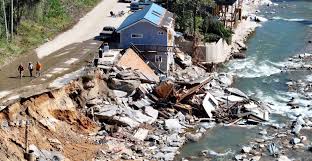
Meanwhile, in the Carolinas, which were inundated by flooding caused by Hurricane Helene in 2024, residents have also been hit hard by rising insurance prices. Insurers are recalibrating risk assessments in these areas, factoring in repeated storm damage and increasing claims frequency.
Insurers Pull Back from High-Risk Areas
The broader context behind these premium hikes is a property insurance industry struggling to adapt to a rapidly changing climate. As wildfires burn hotter, hurricanes grow stronger, and flood zones expand, insurance companies are being forced to revise their models. In many cases, that means higher premiums, tighter coverage terms, or complete withdrawal from markets considered too risky.
Some insurance carriers are no longer willing to insure homes in high-disaster zones, leaving homeowners with few options other than expensive surplus lines or public insurance programs. Others are demanding higher deductibles or refusing to renew existing policies. For homeowners, this translates into higher costs, fewer choices, and greater uncertainty.
California Still Among the Least Expensive — For Now
Despite recent wildfires, California still remains one of the states with the lowest average home insurance premiums. Regulatory protections and pricing restrictions have historically helped keep rates below the national average. However, that could change in the near future as the state’s wildfire seasons grow longer and more destructive, and as insurers seek regulatory relief to increase rates or exit altogether.
Southern and Midwestern States See Highest Costs
In contrast, homeowners in parts of the South and Midwest are paying the highest insurance rates in the country, largely due to hurricanes, hail, and severe storms that frequently cause massive property damage. These states have long been seen as high-risk regions, and the worsening climate only reinforces that perception.
Florida remains a case study in the challenges of insuring property in the age of climate change. Years of losses forced many private insurers to scale back or exit the market, leading to a heavy reliance on Citizens Property Insurance Corporation, the state’s insurer of last resort. However, new legislation aimed at revitalizing Florida’s insurance market has led to a noticeable shift in recent months.
In Miami, often cited as the most expensive city for property insurance in the U.S., the proportion of mortgage-holding homeowners relying on Citizens has dropped from 46% to 27% over the last 18 months. This decline suggests that private insurers are gradually returning, though they are doing so with higher premiums and tighter underwriting standards.
The Cost of Climate Inaction
Experts say the upward trajectory in insurance costs is not likely to reverse any time soon. As climate disasters become more destructive and more widespread, insurers are pricing in the increased risk. And while higher premiums may help carriers stay solvent, they are putting tremendous financial strain on millions of Americans.
Some analysts argue that the current system — which assumes that risk can be accurately priced and spread — is no longer sustainable in the face of climate extremes. They warn that unless governments and industries invest more in resilience, infrastructure, and mitigation, insurance may become either unaffordable or unavailable in many parts of the country.
For now, the message to homeowners is clear: expect to pay more for coverage, especially if you live in an area prone to fire, flood, or storm damage. And as the climate continues to evolve, so too will the cost of protecting what may be your most valuable asset — your home.